Column · @judahftxx782
How Periodontal Treatment Ventura Supports Long-Term Dental Wellness
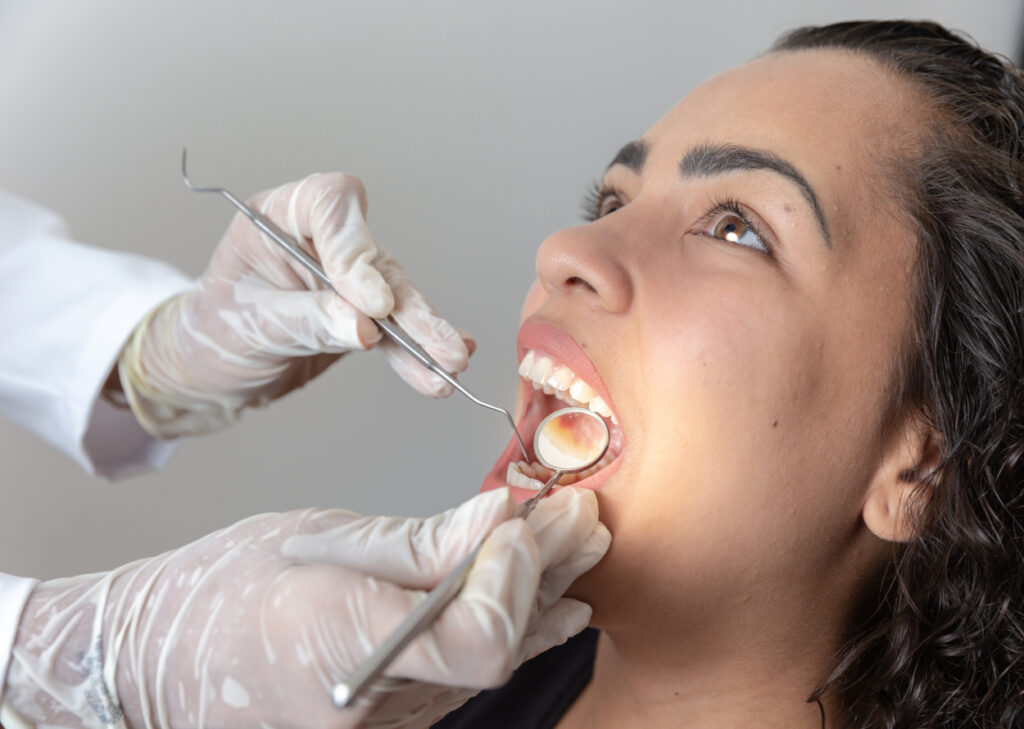
Healthy teeth do not stand on their own. They depend on the stability of the gums, the ligament fibers that anchor roots to bone, and the jawbone itself. When those supporting structures weaken, even teeth that look intact can become vulnerable. That is why periodontal care matters so much. It is not simply about stopping bleeding gums or freshening breath. It is about preserving the whole foundation of the mouth for years to come.
In practice, many people do not seek gum treatment until something starts to feel wrong. They notice tenderness while brushing, persistent bad breath, gum recession, or a tooth that seems slightly loose. By that point, inflammation may have been present for months or longer. Periodontal disease has a quiet way of progressing. It often begins with plaque and bacteria along the gumline, then advances beneath the surface where routine brushing cannot reach. The gums become inflamed, pockets deepen around the teeth, and bone can slowly recede.
That is where thoughtful, timely care makes a real difference. Periodontal Treatment Ventura can play a central role in protecting oral health over the long term, especially when treatment is tailored to the stage of disease, the patient’s habits, and the condition of the supporting tissues. Good periodontal therapy is not a one-time event. It is a strategy for preserving health, comfort, and function.
The hidden cost of untreated gum disease
People often think of cavities as the major threat to their teeth. Cavities matter, of course, but advanced periodontal disease can be even more destructive because it attacks the structures that hold teeth in place. A tooth with a large filling can often be restored. A tooth that has lost too much bone support becomes much harder to save.
Early gum disease, often called gingivitis, tends to show up as redness, swelling, and bleeding during brushing or flossing. At that stage, the damage is usually reversible with thorough cleaning and improved home care. Once the disease progresses into periodontitis, the situation changes. The infection and inflammation extend deeper, and the body’s response can begin to break down connective tissue and bone. That destruction is not something a person can brush away at home.
The consequences accumulate gradually. Food packs more easily between teeth. Gum recession exposes sensitive root surfaces. Teeth can drift, creating spaces that did not exist before. Chewing may become uncomfortable. In advanced cases, abscesses develop or teeth become mobile enough to affect speech and bite function. These are not cosmetic inconveniences. They can alter daily comfort and make future dental treatment more complicated and expensive.
I have seen many cases where patients assumed occasional bleeding was normal because it had been happening for years. After treatment, they were surprised by how much better their mouth felt. Their gums no longer throbbed after brushing, their breath improved, and foods that had caused sensitivity became tolerable again. That shift often reveals how much chronic inflammation had become part of their normal routine.
Why periodontal health affects more than your gums
The mouth is not isolated from the rest of the body. Inflamed periodontal tissues create a chronic bacterial and inflammatory burden. Dentists and physicians alike pay attention to that link, especially in patients with diabetes, cardiovascular concerns, autoimmune conditions, or pregnancy-related oral changes. Careful language matters here. Periodontal treatment is not a cure for systemic disease, and responsible clinicians do not oversell it. Still, maintaining gum health can reduce a significant source of ongoing inflammation and improve the overall oral environment.
One of the clearest real-world examples involves diabetes. Poorly controlled blood sugar can make periodontal disease harder to manage, and active periodontal inflammation can complicate glycemic control. It becomes a two-way challenge. Patients with diabetes often do best when medical and dental care support each other rather than operating in separate lanes.
Smoking creates another important layer. Tobacco use reduces blood flow, impairs healing, and can mask early warning signs like bleeding. A smoker may assume their gums are stable because they do not bleed much, while deeper damage continues quietly. Those cases demand closer monitoring and realistic expectations. Treatment still helps, often significantly, but long-term success improves when tobacco use is reduced or stopped.
What periodontal treatment usually involves
There is no single periodontal treatment that fits every patient. The right approach depends on pocket depth, bleeding, bone levels, recession, mobility, medical history, and the patient’s ability to maintain results at home. A careful periodontal exam typically includes measurements around each tooth, evaluation of gum recession, review of radiographs, and assessment of plaque retention areas such as crowding, overhanging restorations, or bite-related trauma.
At a broad level, treatment often progresses through several phases:
- Detailed periodontal evaluation and diagnosis
- Deep cleaning below the gumline, often called scaling and root planing
- Reassessment of pocket depths and tissue response after healing
- Additional therapy if needed, which may include localized antimicrobials or periodontal surgery
- Ongoing periodontal maintenance at customized intervals
For many patients, scaling and root planing is the first major step. This is more thorough than a standard cleaning. The goal is to remove calculus, bacterial deposits, and contaminated root surface buildup from below the gumline so inflamed tissue has a chance to heal. Depending on the extent of disease, treatment may be completed over multiple visits and often involves local anesthetic to keep the process comfortable.
Once the bacterial load is reduced, the gums can tighten somewhat around the teeth, pocket depths may shrink, and bleeding often decreases substantially. That said, deep cleaning is not magic. If bone has already been lost, treatment aims to stabilize the disease and preserve what remains. In some cases, pockets stay too deep for predictable home care, or the shape of the bone and gum tissues makes reinfection likely. Those are the situations where surgical periodontal therapy may be considered.
When non-surgical care is enough, and when it is not
A common question is whether every case of periodontitis requires surgery. The answer is no. Many patients do well with non-surgical treatment followed by disciplined maintenance. If inflammation drops, home care improves, and pocket depths become manageable, surgery may not be necessary.
Still, there are situations where surgical care offers clear advantages. Deep isolated defects, furcation involvement between roots of molars, significant recession, or tissue architecture that traps bacteria can limit the results of conservative therapy alone. In those cases, periodontal surgery can provide access for deeper cleaning, reshape tissue, reduce pocket depth, or support regenerative efforts in selected areas.
Good judgment matters here. Not every deep pocket is a surgical case, and not every patient benefits equally from regenerative procedures. A skilled clinician weighs several factors at once, including the pattern of bone loss, smoking status, systemic health, hygiene consistency, and whether the tooth has strategic value in the bite. Sometimes the most ethical recommendation is to maintain a compromised tooth carefully for as long as it functions comfortably. In other cases, a tooth that looks salvageable on an X-ray may be a poor long-term investment if mobility, fracture risk, and bone loss all point in the wrong direction.
The maintenance phase is where long-term wellness is won
Many patients assume the hard part is over once deep cleaning or surgery is complete. In reality, the maintenance phase determines whether the benefits last. Periodontal disease is usually a chronic condition that can be controlled, not something that disappears permanently after one round of treatment.
Periodontal maintenance visits are more focused than standard cleanings. The clinician reviews pocket depths, bleeding points, areas of recurrent buildup, recession changes, and site-specific risks. Some people need maintenance every three months. Others may eventually move to four-month intervals or a different schedule based on stability. The interval should reflect the patient’s biology and risk profile, not a generic calendar.
This is where consistency pays off. A patient who returns at the right intervals often avoids major setbacks. Early reinfection can be identified before it becomes destructive. A rough crown margin can be adjusted. A flossing problem behind a lower molar can be corrected. A nightguard can be recommended if clenching is worsening mobility. These small interventions matter because periodontal breakdown is easier to prevent than to reverse.
One of the clearest patterns in clinical care is this: patients who stay on maintenance usually keep more teeth, enjoy more comfort, and need fewer extensive procedures later. That is the practical value of periodontal therapy. It protects future options.
How home care influences treatment success
No periodontal treatment can outrun poor daily habits forever. Professional care removes what patients cannot manage on their own, but home care controls the day-to-day bacterial challenge. The goal is not perfection. It is consistency and technique.
Patients often improve fastest when instructions are specific. “Brush better” rarely changes behavior. Showing someone how to angle the bristles at the gumline, how to clean around a bridge, or how to use interdental brushes around wider spaces tends to produce better results. The right tool depends on the mouth in front of you. Tight contacts may respond well to floss. Open embrasures after bone loss may be easier to clean with interdental brushes or soft picks. Some people benefit from an electric toothbrush because it reduces technique errors. Others do fine with a manual brush once they slow down and use the right pressure.
A few home care principles repeatedly make a difference:
- Brush thoroughly along the gumline twice a day with a soft-bristled brush
- Clean between the teeth daily with floss or an interdental aid that fits properly
- Follow post-treatment instructions closely, especially after deep cleaning or gum surgery
- Keep maintenance visits even when the mouth feels fine
- Ask for a demonstration if any area is hard to clean
The patients who maintain results best are not always the ones with the most expensive products. They are usually the ones who understand where their problem areas are and address them consistently.
Why early treatment is usually simpler, cheaper, and more predictable
Periodontal disease rarely improves through neglect. Waiting tends to narrow the range of comfortable, conservative options. Early treatment may involve a deep cleaning, improved home care, and closer follow-up. Later treatment may involve surgery, grafting, splinting mobile teeth, extraction, implant planning, and more extensive restorative work. The difference in cost, time, and complexity can be substantial.
There is also the issue of tissue response. Healthier gums heal more predictably. Smokers who cut back, patients who improve plaque control, and individuals who seek care before mobility develops often have better long-term stability. Once severe bone loss sets in, the goal shifts from complete restoration of ideal anatomy to strategic disease control and preservation.
This is one reason Periodontal Treatment Ventura is best viewed as preventive as much as corrective. It is easy to think of treatment as a reaction to symptoms, but the most valuable effect may be what it prevents five or ten years later. Stabilizing the gums today can mean fewer extractions, fewer prosthetic complications, and a better quality of life down the road.
The connection between periodontal care and restorative dentistry
Gum health is the groundwork for almost every other kind of dental treatment. Crowns, veneers, bridges, implants, and even orthodontic movement perform better in a stable periodontal environment. If the gums are inflamed and bone support is actively declining, restorative work becomes harder to design and less predictable to maintain.
Consider a patient who wants to replace an old crown on a front tooth because the margin shows and the gumline looks uneven. If active periodontal inflammation is present, a new crown alone will not solve the problem. The tissue may continue to recede or bleed, and the final cosmetic result can disappoint even if the crown itself is well made. When the gums are healthy first, restorative work has a stronger foundation.
The same logic applies to implants. Dental implants can be excellent solutions, but https://cesarqnni988.zenbloomer.com/posts/periodontal-treatment-ventura-for-a-healthier-brighter-smile they are not immune to complications. Patients with a history of periodontal disease need careful planning and disciplined maintenance because the bacterial environment that damaged natural teeth can also threaten implant tissues. A stable periodontal condition improves the chances that any future restorative investment will last.
What patients in Ventura should look for in periodontal care
Local access matters. So does the style of care. Patients looking into Periodontal Treatment Ventura should expect a thorough diagnostic process rather than a rushed cleaning and a broad promise that everything will improve. Good care starts with precise measurements, a clear explanation of findings, and a treatment plan that matches the actual severity of disease.
The best periodontal conversations are practical. How deep are the pockets? Which areas are stable, and which are not? Is bone loss generalized or localized? Are there contributing factors such as smoking, dry mouth, old restorations, crowded teeth, or clenching? What does successful maintenance look like over the next year? Those are the questions that shape real outcomes.
It also helps when patients understand that treatment plans may evolve. After initial therapy, some areas respond beautifully and need only maintenance. Others remain stubborn and require more focused intervention. That is not a sign the first phase failed. It is often how periodontal care works. The tissues need a chance to reveal what is reversible and what needs further support.
Common misconceptions that delay care
A surprising number of people still associate gum disease with older age alone, as though it were an inevitable part of getting older. Age can increase cumulative risk, but periodontitis is not simply a clock issue. Younger adults can develop significant disease, especially when genetics, smoking, uncontrolled diabetes, or inconsistent oral hygiene are part of the picture.
Another misconception is that painless disease is harmless. Gum problems are often more dangerous when they do not hurt. Pain tends to motivate action. Silent inflammation does not.
There is also confusion about bleeding. Some patients avoid flossing because it makes the gums bleed, assuming they should leave the area alone. Usually the opposite is true. Inflamed tissue bleeds because it needs better plaque control, not less. Of course, technique matters, and there are exceptions, but routine bleeding during brushing or flossing deserves evaluation.
Finally, many people believe that losing teeth to gum disease is unavoidable once it starts. That is simply not accurate. With early diagnosis, effective treatment, and regular maintenance, many patients keep compromised teeth far longer than they expected.
Long-term wellness is built on stability, not perfection
The most realistic goal of periodontal care is stability. Not every gumline can be restored to an ideal cosmetic shape. Not every pocket can be eliminated entirely. Not every tooth with past bone loss will have the same prognosis as an untouched healthy tooth. But a stable mouth, one without active infection, progressive breakdown, chronic bleeding, or increasing mobility, is a major success.
That stability supports everything else. It makes eating more comfortable. It improves breath and confidence. It reduces the chance that small problems become large ones. It allows restorative work to last longer. It gives patients a chance to age with more of their natural dentition intact.
When periodontal disease is managed thoughtfully, the benefits extend well beyond the gums themselves. Periodontal Treatment Ventura is not just a local service category or a line item in a treatment plan. At its best, it is a long-term investment in oral function, tissue health, and future dental stability. For patients who want to protect their teeth rather than simply react to emergencies, that kind of care is hard to overstate.
Avra Dental
Address: 1708 S Victoria Ave B, Ventura, CA 93003
Phone number: (805) 941-1001
FAQ About Periodontal Treatment Ventura
Can a dentist get rid of periodontal disease?
A dentist or gum specialist (periodontist) cannot fully cure or reverse advanced periodontal disease (periodontitis), but they can successfully stop its progression and manage the infection.
Is periodontitis very serious?
Yes, periodontitis is a very serious, advanced form of gum disease that destroys the bone and tissues supporting your teeth.
How is stage 2 periodontal disease treated?
Stage 2 periodontal disease (early to moderate periodontitis) is primarily treated with non-surgical deep cleaning procedures like scaling and root planing to remove bacteria and tartar below the gumline.